SPACE & HEALTH RESEARCH
TESH
Space health.
Insights for Earth.
Telemetry System for Space Health studies cardiovascular and balance changes during spaceflight, with potential applications in terrestrial healthcare.
TESH · EKCSPACE & HEALTH RESEARCH
TESH
Telemetry System for Space Health studies cardiovascular and balance changes during spaceflight, with potential applications in terrestrial healthcare.
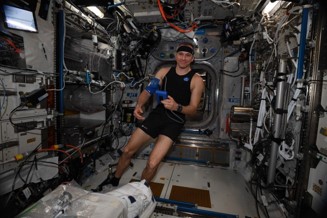
TESH · EKCThe goal of the TESH project is to study health issues that arise during space travel. Even on short-term missions or after returning to Earth, astronauts may experience symptoms such as blood pressure fluctuations or balance disorders. These symptoms are partly caused by the adaptation processes of the cardiovascular system and the organs responsible for balance. Our research aims to better understand these changes. In the long run, we also plan to further develop a telemedicine system that would assist in assessing astronauts’ health status and even provide automated monitoring.
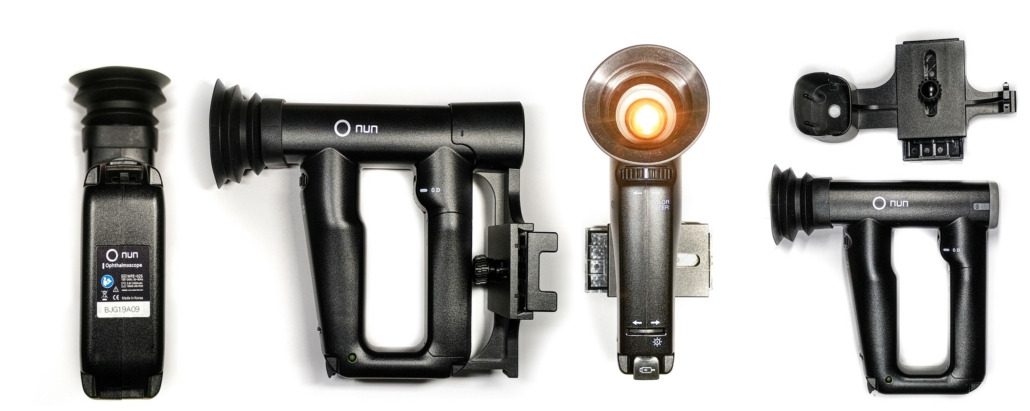
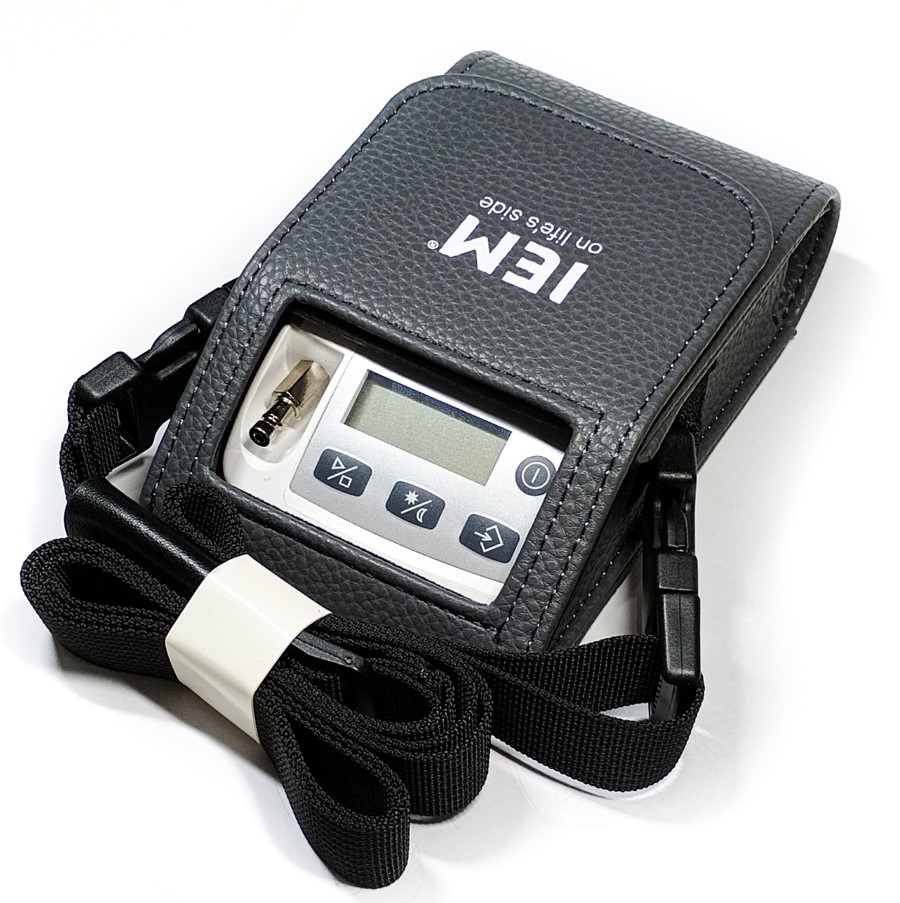
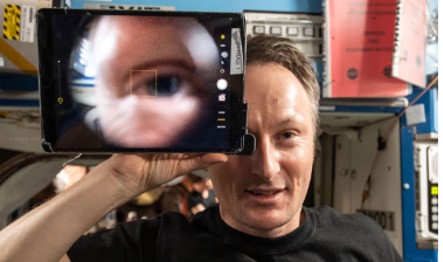
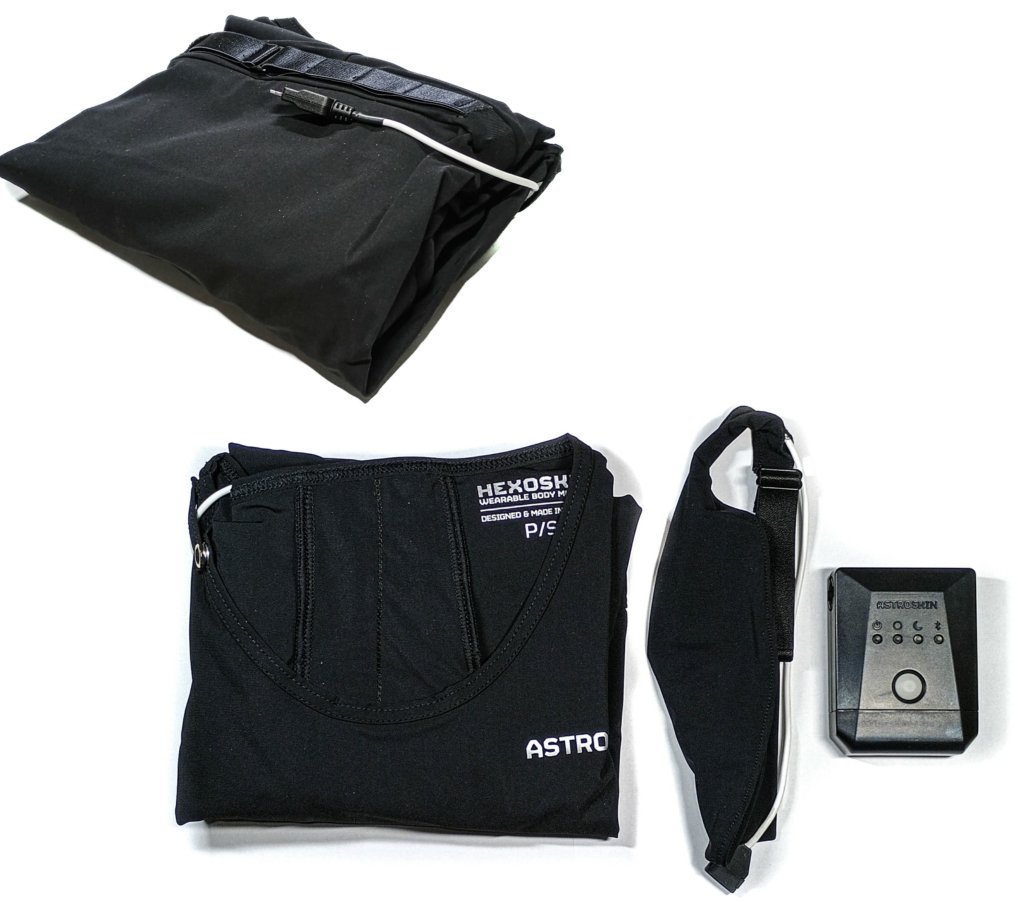
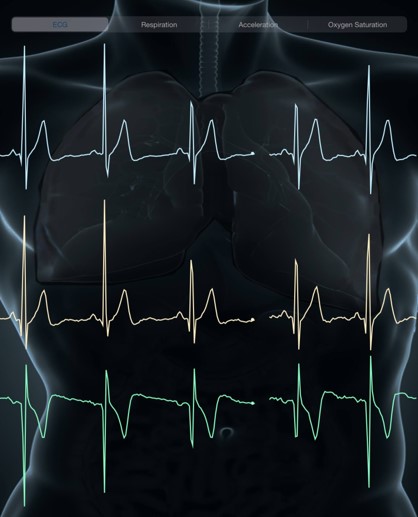
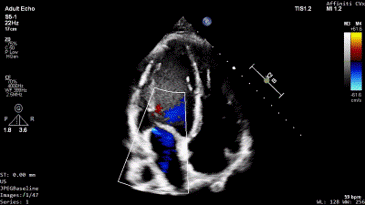
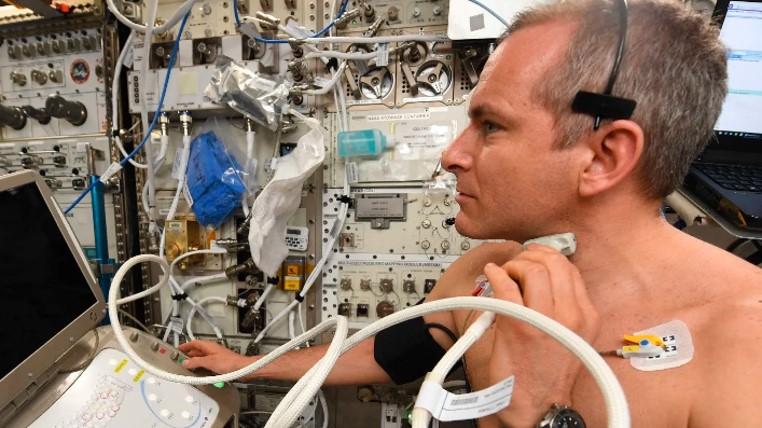
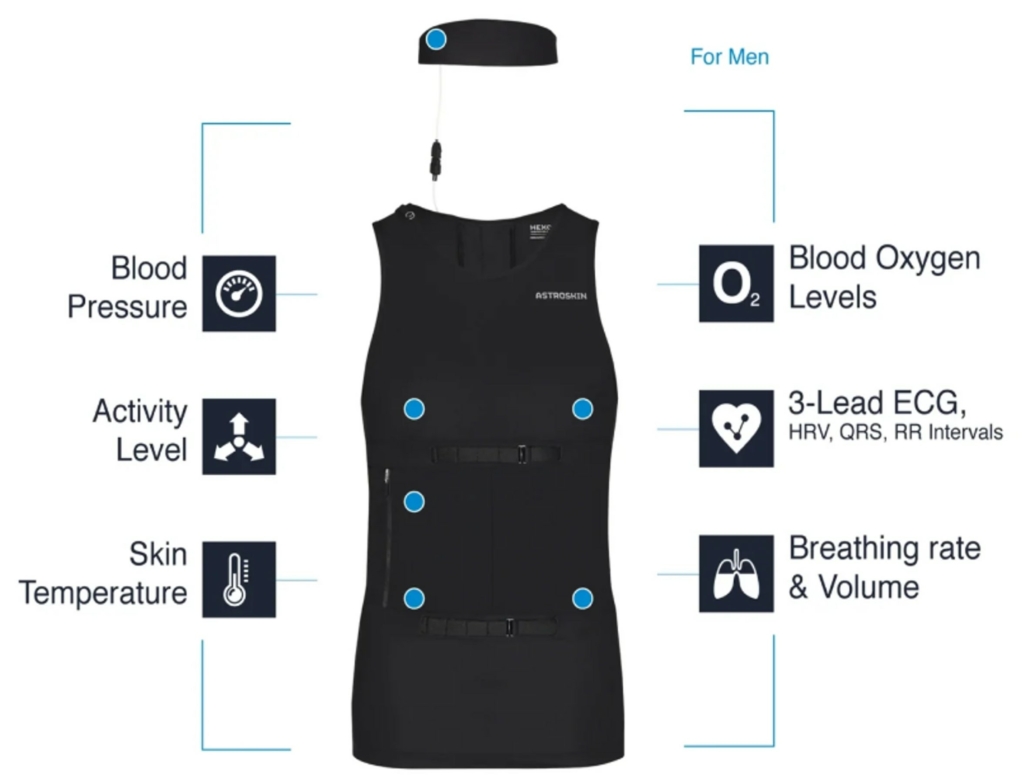
We use various measurement tools for our investigations, including cardiac and vascular ultrasound, which allows for a more detailed examination of the heart and blood vessels. Participants wear a specialized shirt that continuously monitors heart rate (ECG), respiration, body temperature, movement, and heart rate variability. Additionally, we use a 24-hour blood pressure monitor that records arterial pulsations, aiding in vascular condition analysis. To assess movement and balance, we conduct video-based motion analysis and balance tests. Furthermore, we perform fundus examinations, which enable us to track the condition of the small blood vessels in the eye and identify potential signs of papilledema. This is particularly crucial due to Spaceflight-Associated Neuro-Ocular Syndrome (SANS), a spaceflight-induced ophthalmic condition that can lead to severe residual symptoms.

The phenomena studied in this project are not exclusive to space travel; similar changes can also be observed during aging. For example, astronauts often experience a sudden drop in blood pressure upon standing after returning to Earth, which can cause dizziness or fainting—an issue commonly seen in elderly individuals as well. Reduced arterial elasticity and balance disorders are also shared concerns. As a result, telemedicine tools developed for space research could also be useful on Earth, enabling effective remote patient monitoring, early detection of medical conditions, and timely alerts for healthcare professionals.
The European Knowledge Center served as the lead organization responsible for the project and for research on artificial intelligence. Semmelweis University, the organization responsible for cardiovascular research, provided the technical leadership. The Budapest University of Technology and Economics (BME), the German Aerospace Center (DLR), and the Canadian Space Agency (CSA) also participated in the project as collaborating partners. The results may not only help maintain the health of astronauts but also contribute to the advancement of everyday medical examinations and treatments.
European Knowledge Centre Ltd.
Registration number: 01 09 709535
Hungarian VAT number: 12910652-2-41
EU VAT number: HU 12910652
Address: Törökvész út 71-73.
1025 Budapest, Hungary
E-mail: info@euroknows.com
Phone: +36-30-9916632